Re: Sneezing LPG tanks - no idea where to begin!
Posted: Fri Mar 01, 2013 8:09 am
As a first step, you need to work out what you have got. Are there any check valves for instance ? If you can't work it out, post some photos of key bits - the valvegear on your internal tank is probably the easiest to start with - and someone here will probably be able to recognise it.
Then, work out how it's wired - this will have a significant impact on how easy it is to test.
If the solenoid valves are separately wired to one point or there's a convenient means of disconnecting each valve or there's a manual shutoff on each tank, then things are relatively simple. Disconnect/shutoff all but one solenoid valve and see if you still get a gas supply. First, you should disconnect/turn them all off and check that you no longer get gas - otherwise you'll not get any information from the rest of the tests.
If things aren't that convenient then you'll still need to disconnect/disable the output from all the tanks - this may mean cutting wires and rejoining them later, removing the coil from the solenoid valve, or even emptying the tank, disconnecting the pipework, and blanking off it's connections and the pipe ends.
Bear in mind that the pipework, filter, etc can hold enough gas to make the engine run for a surprising time !
As an alternative to seeing if the engine will run (at reasonable power, not just idle) is to disconnect the feed pipe from the reducer and point it out into the open. Connect a pair of wires to the gas valve wiring and chassis, retreat to a distance upwind, and touch the wires onto a battery. You should get "quite a blast" of gas from the pipe end.
Be very, very careful as you'll be creating a cloud of explosive (and smelly) gas mixture. Do it on a reasonably breezy day (so it disperses quickly), and not upwind of the neighbours.
EDIT: Also, be careful where you point it. As well as being highly flammable, the gas/liquid mix spraying out the end of the pipe will be around -40˚ - ie quite cold enough to cause damage or injury (frost burns). The pipework will also be dangerously cold afterwards - so let it thaw out (you'll see the frost melt) before you try and do anything with it.
Then, work out how it's wired - this will have a significant impact on how easy it is to test.
If the solenoid valves are separately wired to one point or there's a convenient means of disconnecting each valve or there's a manual shutoff on each tank, then things are relatively simple. Disconnect/shutoff all but one solenoid valve and see if you still get a gas supply. First, you should disconnect/turn them all off and check that you no longer get gas - otherwise you'll not get any information from the rest of the tests.
If things aren't that convenient then you'll still need to disconnect/disable the output from all the tanks - this may mean cutting wires and rejoining them later, removing the coil from the solenoid valve, or even emptying the tank, disconnecting the pipework, and blanking off it's connections and the pipe ends.
Bear in mind that the pipework, filter, etc can hold enough gas to make the engine run for a surprising time !
As an alternative to seeing if the engine will run (at reasonable power, not just idle) is to disconnect the feed pipe from the reducer and point it out into the open. Connect a pair of wires to the gas valve wiring and chassis, retreat to a distance upwind, and touch the wires onto a battery. You should get "quite a blast" of gas from the pipe end.
Be very, very careful as you'll be creating a cloud of explosive (and smelly) gas mixture. Do it on a reasonably breezy day (so it disperses quickly), and not upwind of the neighbours.
EDIT: Also, be careful where you point it. As well as being highly flammable, the gas/liquid mix spraying out the end of the pipe will be around -40˚ - ie quite cold enough to cause damage or injury (frost burns). The pipework will also be dangerously cold afterwards - so let it thaw out (you'll see the frost melt) before you try and do anything with it.
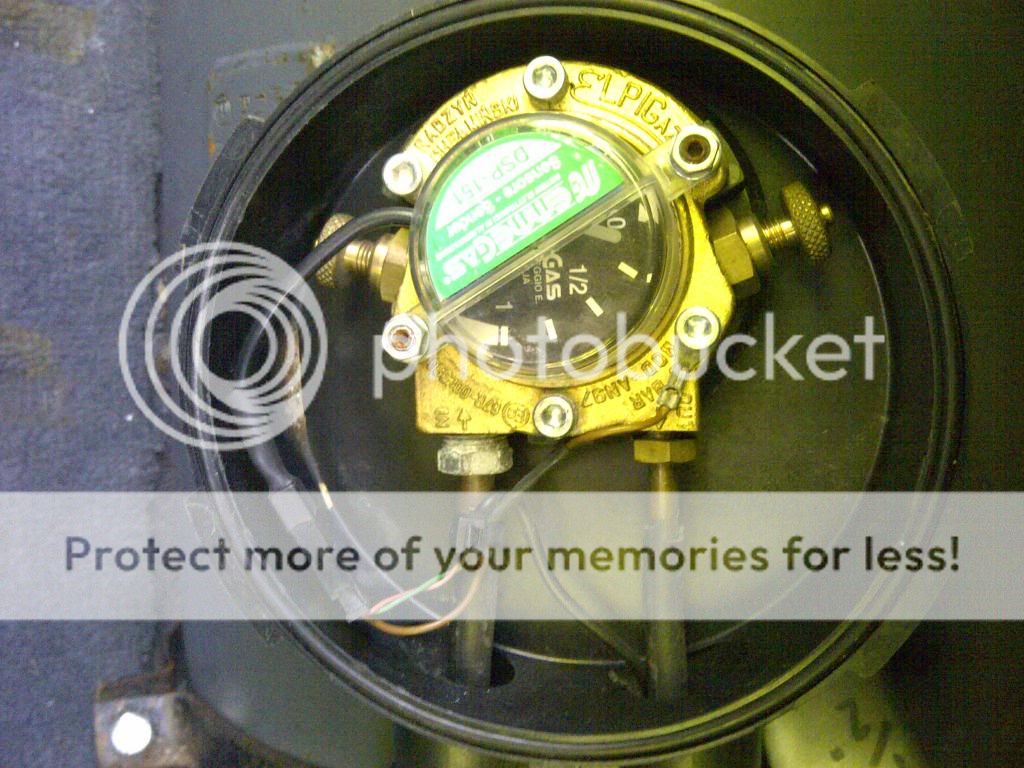
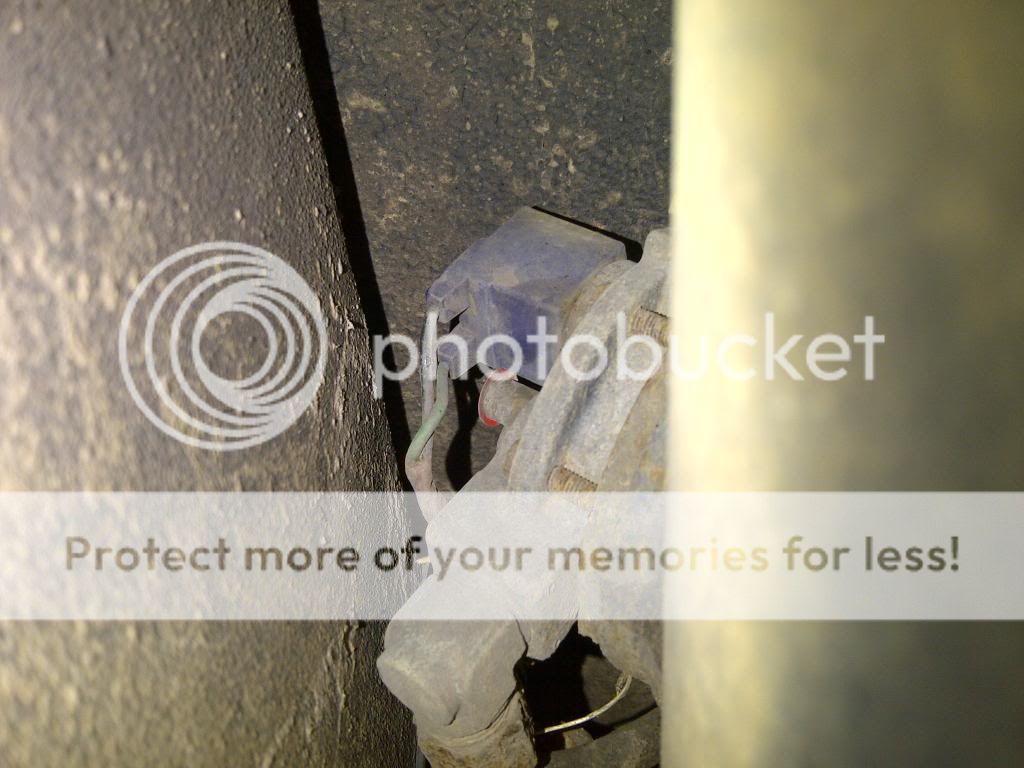

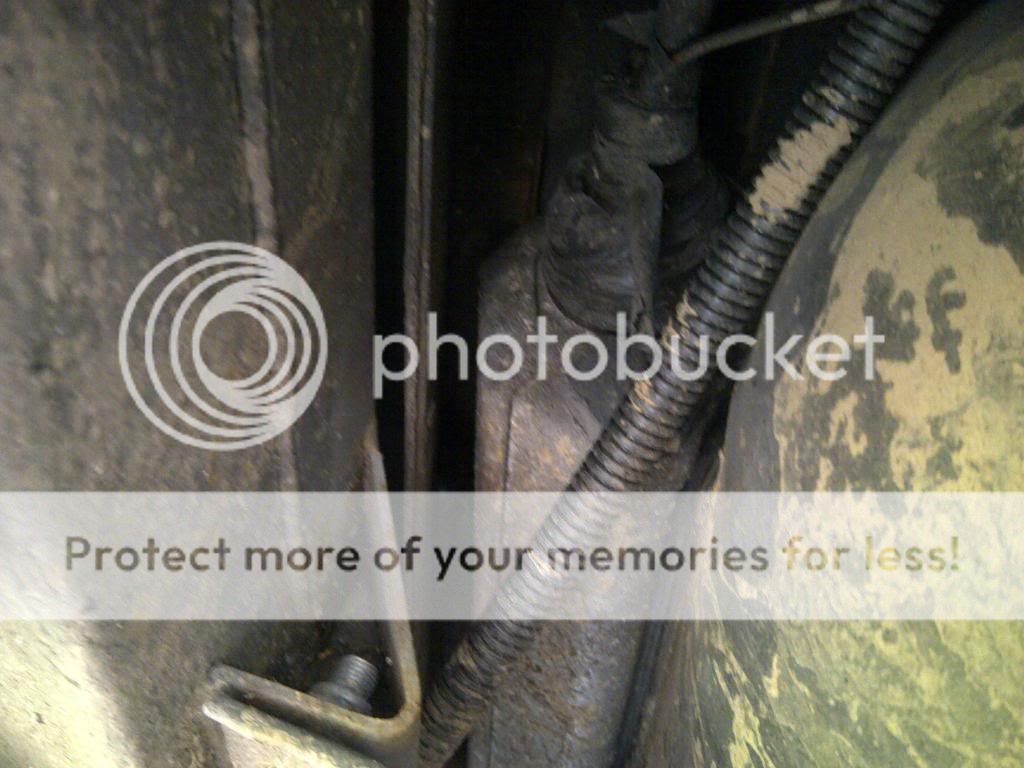
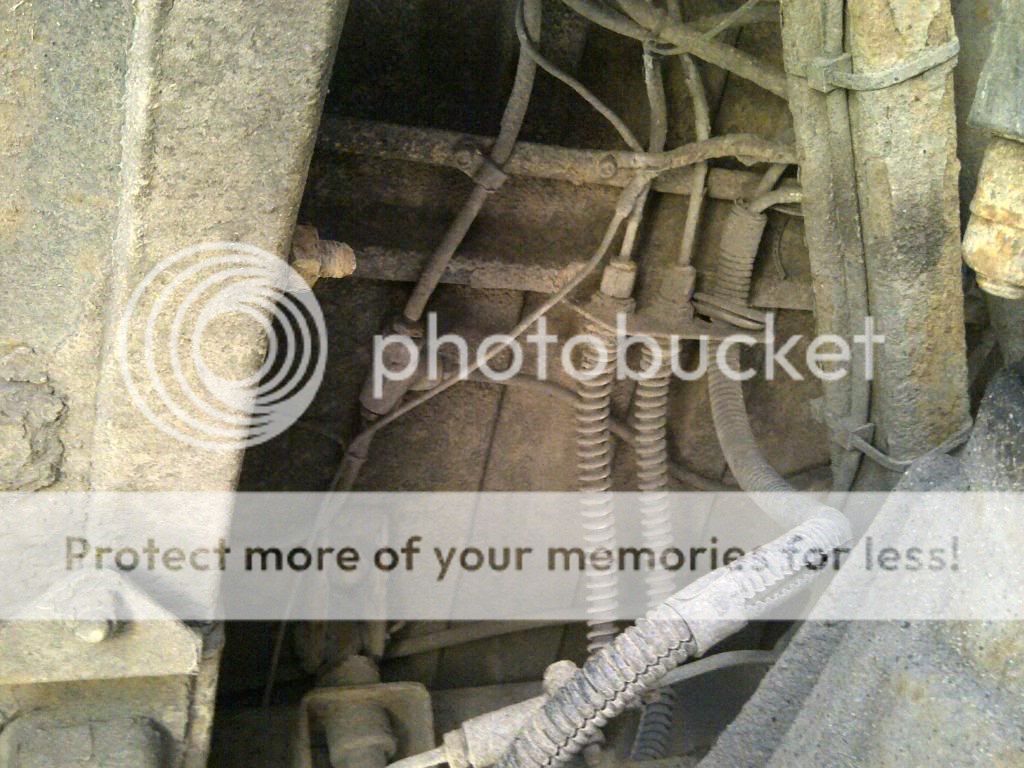

 .
.
 . Mega thanks for your help your all great. The next thing then is getting it all safe and redoing all the wiring and possibly lines aswell for the sake of a few quid. Sure ill save the few quid quick enough if my tanks arent crossfeeding haha.